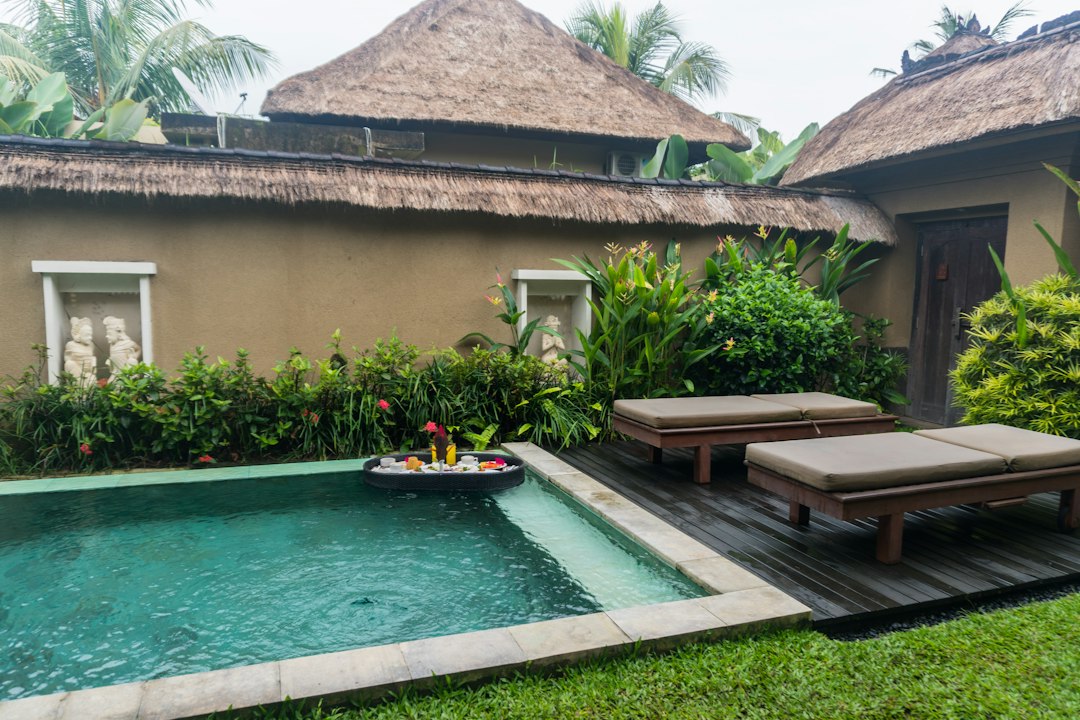
Pool design should reflect how you plan to use the space, whether for exercise, family recreation, or quiet outdoor relaxation. A smaller yard may benefit from a compact geometric layout, while larger properties can often accommodate more customized shapes and surrounding features. It also helps to consider how the pool will connect with patios, fencing, and landscaping. Thinking through these details early can make the finished space feel more functional and cohesive.
The materials used in pool construction affect appearance, maintenance needs, and long-term durability. Homeowners often compare surface finishes, coping materials, and decking options to find a combination that fits both style and practical use. Texture, heat retention, and slip resistance are important factors when selecting finishes for the pool edge and surrounding area. Reviewing these choices carefully can help prevent design decisions that look good at first but create maintenance issues later.
Before pool construction begins, the layout of the property can influence the overall scope of the project. Slope, drainage, access points, and existing hardscaping may all affect where a pool can be placed and how the work is completed. It is also useful to think about sun exposure, privacy, and how people will move between the house and the pool area. Careful site planning supports a smoother installation process and a more usable backyard environment.
Start by looking at the company’s actual pool experience, not just general contracting work. A builder that handles custom pool design, new construction, and renovation is usually better equipped to solve site-specific issues, match the pool to the home, and update older pools without overlooking plumbing, decking, or drainage needs. Ask to see examples of projects similar to yours, especially if you want features like spas, tanning ledges, updated finishes, or major layout changes.
Permitting support matters more than many homeowners expect. In the Stone Mountain area, pool projects often involve local permitting, inspections, grading considerations, and utility coordination. A company should be able to explain who handles permit applications, what approvals may be required, and how the inspection process affects the timeline. If a contractor is vague about permits, that is a concern.
Key things to clarify before hiring:
Communication is another practical test. You want clear answers about scheduling, design revisions, materials, and who your main point of contact will be once work starts. Good companies usually provide a written scope of work and a project plan that explains the order of construction stages, expected decision points, and possible delays due to weather or material availability.
It also helps to choose a company familiar with Stone Mountain properties and homeowner preferences. Yard slope, tree coverage, access limitations, soil conditions, and neighborhood style can all affect design and construction choices. A local company is more likely to recognize those factors early and suggest realistic options that fit the property. Find information about Swimming Pool Contractor Stone Mountain GA when planning your next backyard project.. Before signing anything, review the contract carefully and make sure design details, materials, payment terms, and responsibilities are clearly defined.
Pool projects usually fall into a few clear categories, and the right one depends on the age of the pool, the condition of the surface and equipment, and how you want to use the space.
New pool construction is the best fit when you are starting from scratch or replacing a backyard layout that no longer works. This process typically includes site planning, pool shape and depth decisions, decking, drainage, and equipment selection. It helps to think beyond the pool itself. Sun exposure, slope, access from the house, and how much yard you want to keep all affect the final design.
Key design considerations include:
Remodeling is different. It makes sense when the pool structure is still sound, but the look, layout, or function feels outdated. Homeowners often change tile, coping, decking, step areas, or add a tanning ledge or spa. A remodel can also improve circulation and usability without requiring a full rebuild.
Resurfacing is more specific. If the interior finish is stained, rough, peeling, or showing signs of age, resurfacing restores the pool shell and helps protect it from further wear. This is usually a maintenance-driven project, though many owners use it as an opportunity to update the color and finish texture.
Feature upgrades focus on comfort, safety, and convenience. Common examples include new lighting, water features, automation, heaters, handrails, and more efficient pumps or filters. These upgrades work well when the pool is basically in good shape but needs more modern function.
Outdoor living improvements extend the project beyond the water. Patios, fire features, outdoor kitchens, shade structures, and seating areas can make the backyard easier to use year-round. The best plan considers the whole property so the pool and surrounding space work together.
Shape affects both appearance and daily use. Rectangular pools suit lap swimming and often fit cleanly with modern homes, while freeform layouts can soften a yard and work around existing trees or patios. Size should match how the pool will actually be used, not just the available space. It also helps to leave enough deck area for walking, seating, and equipment access.
Depth choices affect how comfortable and practical a pool feels over time. A shallow area is useful for children, lounging, and casual play, while deeper sections may be needed for diving or stronger swimmers. Many homeowners choose a gradual slope for more flexibility, but the transition should feel safe and easy to navigate. Going too deep can reduce usable standing space and increase water volume, which affects maintenance.
Interior finishes influence color, texture, and long-term upkeep. Plaster is a common option with a classic look, while pebble and quartz blends usually offer more texture and added durability. Lighter finishes can make water appear brighter, and darker finishes create a richer tone but may show scale or debris differently. The right choice balances appearance, comfort underfoot, and how much maintenance the surface may need over the years.
Decking should look good, stay slip resistant, and handle heat well in summer. Concrete is versatile and can be brushed, stamped, or colored, while pavers make repairs easier because individual pieces can be replaced. Natural stone offers a high-end appearance, but some types get hotter or require more sealing. Material selection should also account for drainage, staining, and how the deck ties into nearby outdoor spaces.
Water features, lighting, and integrated spas can improve usability when they are planned with purpose.
Key planning considerations include:
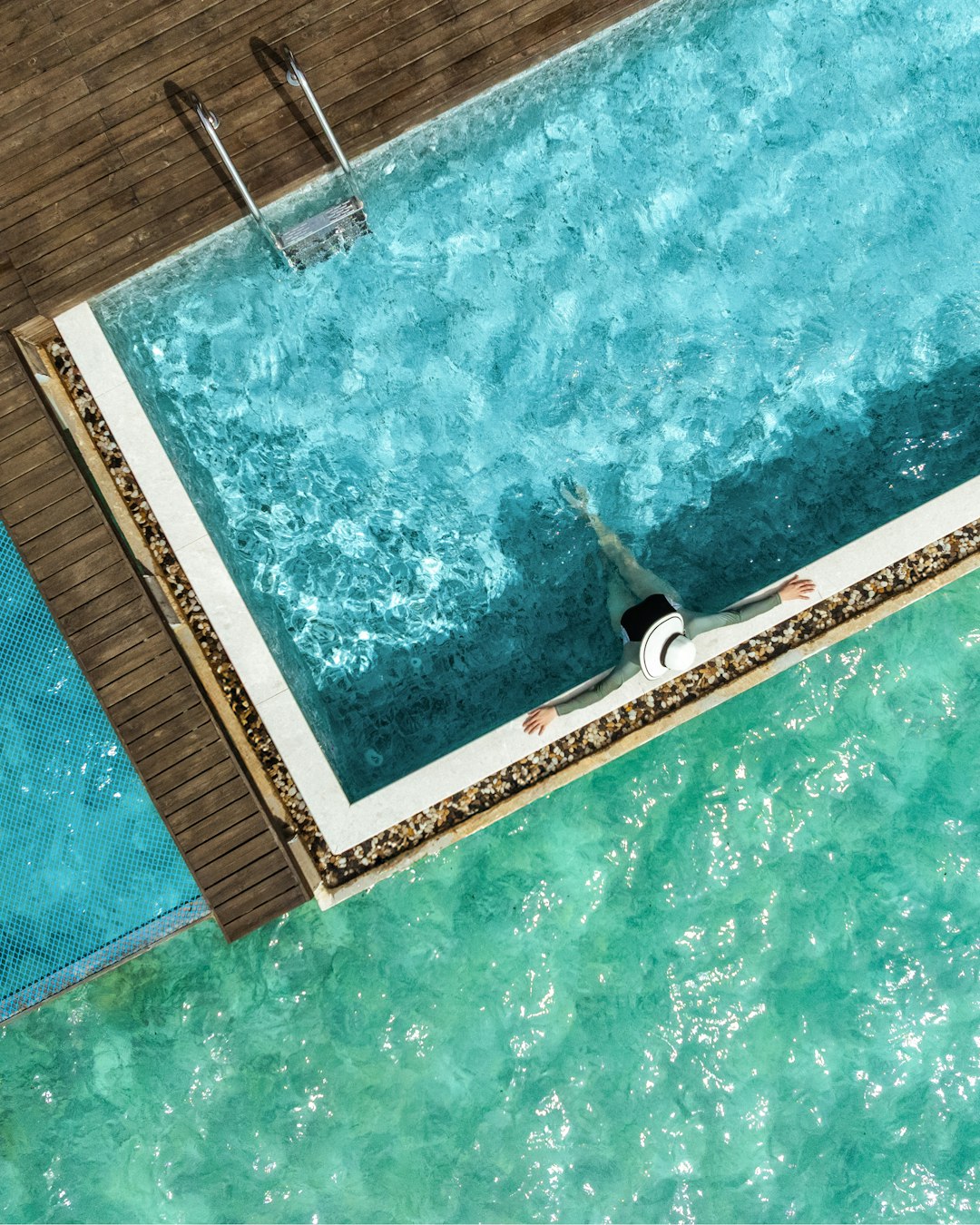
Most pool projects follow a clear sequence, and knowing the steps helps set realistic expectations. It usually begins with a consultation where you discuss how you want to use the pool, the size of the space, preferred features, and any budget priorities. From there, the builder visits the property to evaluate access, grading, drainage, utilities, setbacks, and soil conditions. That site review matters because it affects both design options and construction logistics.
Construction starts with layout marking and excavation. After the hole is dug, crews typically install the structural shell, plumbing, electrical lines, and steel reinforcement, depending on the pool type. Inspections may be required at certain points before work can continue. Once the main structure is in place, the project moves to decking, tile, coping, interior finish, and equipment setup.
The final stage includes startup, system testing, and a walkthrough. You should expect an explanation of how to operate the pump, filter, lighting, and any automation features, along with basic maintenance guidance. A good final walkthrough is also the time to note small adjustments, confirm that agreed features were completed, and ask questions before regular use begins.
Here’s a typical project sequence:
Next comes design development. You review the pool layout, depth profile, decking, coping, water features, lighting, and equipment placement. This is the stage where decisions can have a big impact on timeline and cost, so it helps to finalize materials and features early rather than making repeated changes later. Once the design is approved, the project moves into permitting and any required approvals. Timing here can vary depending on local review processes and site conditions.
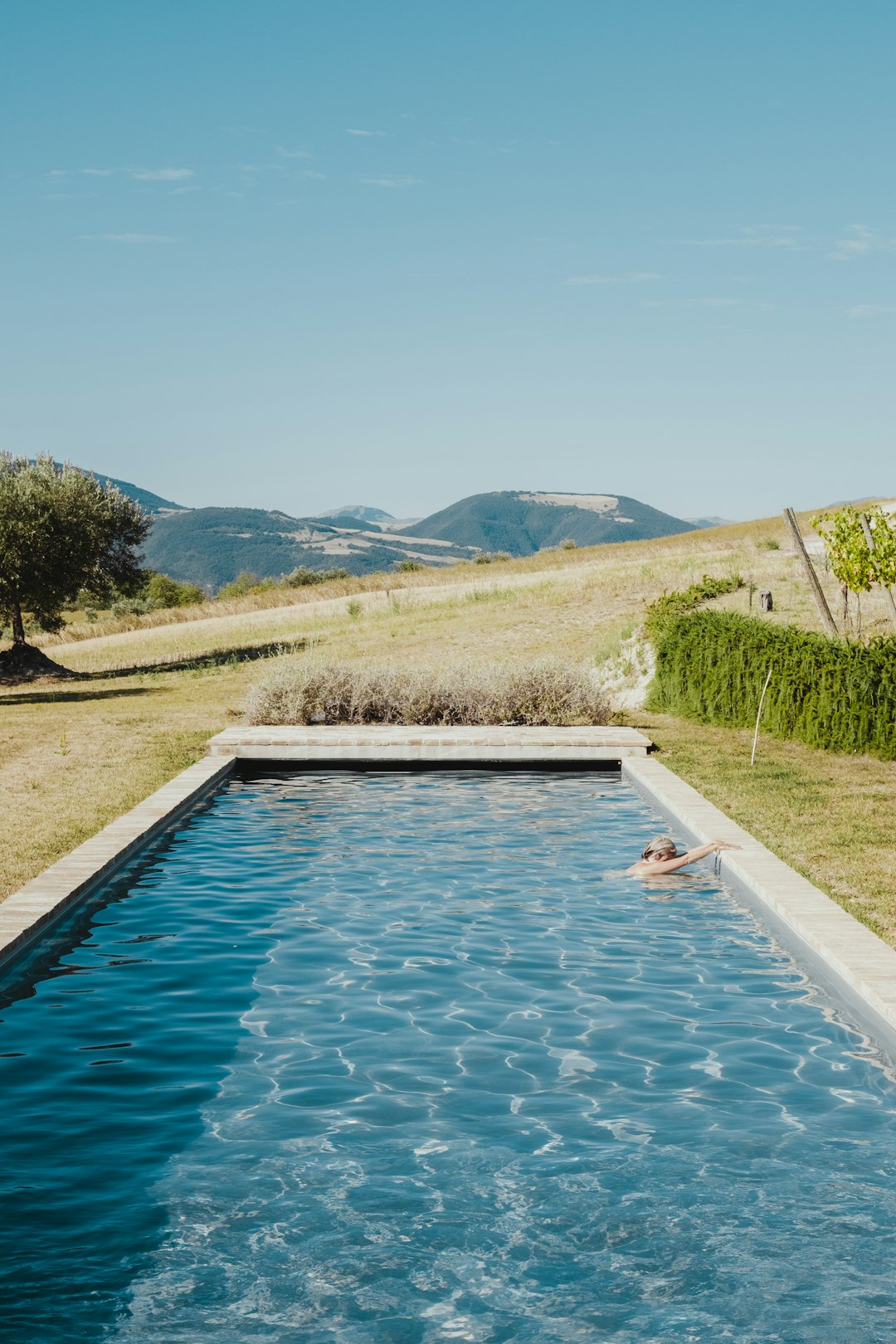
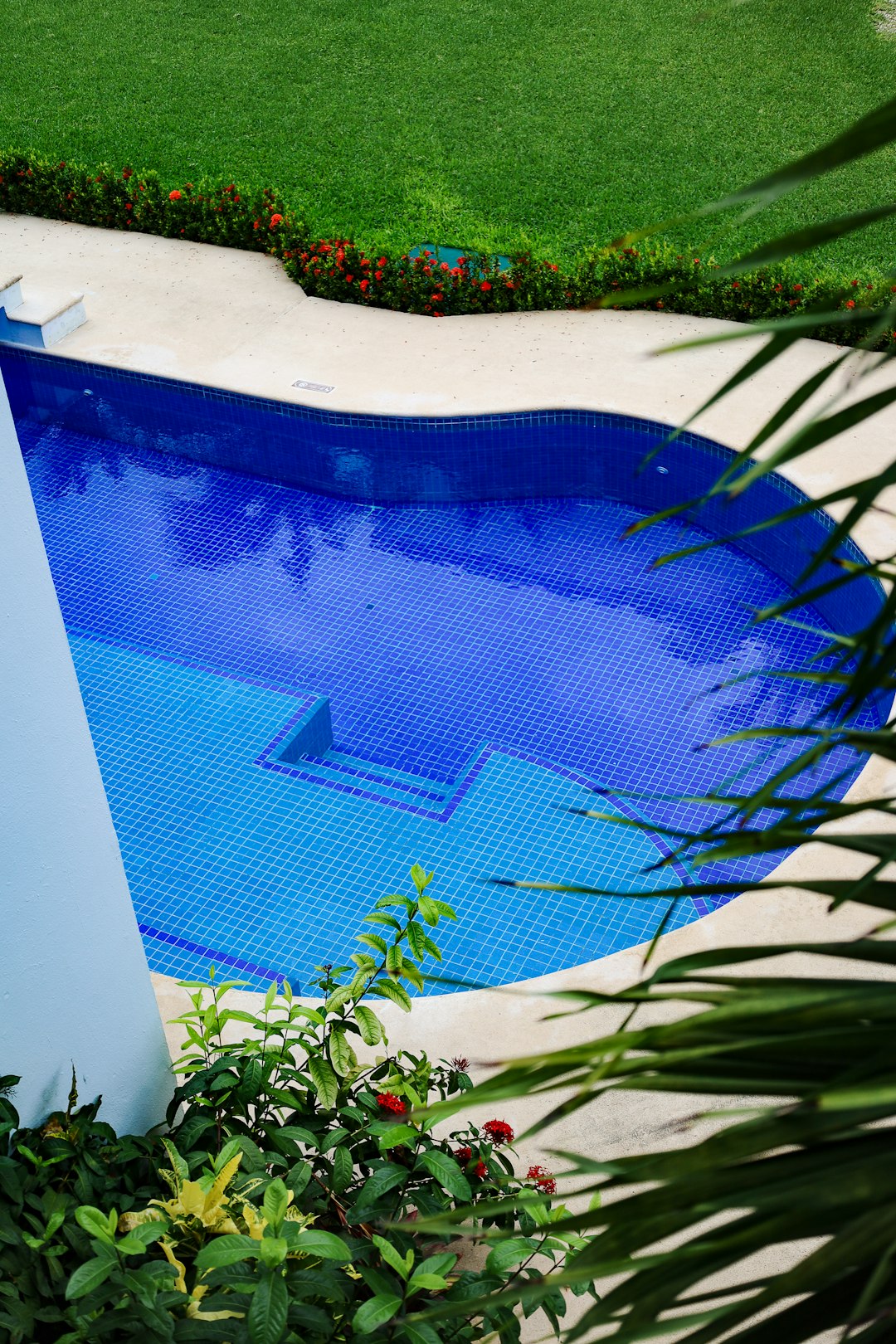
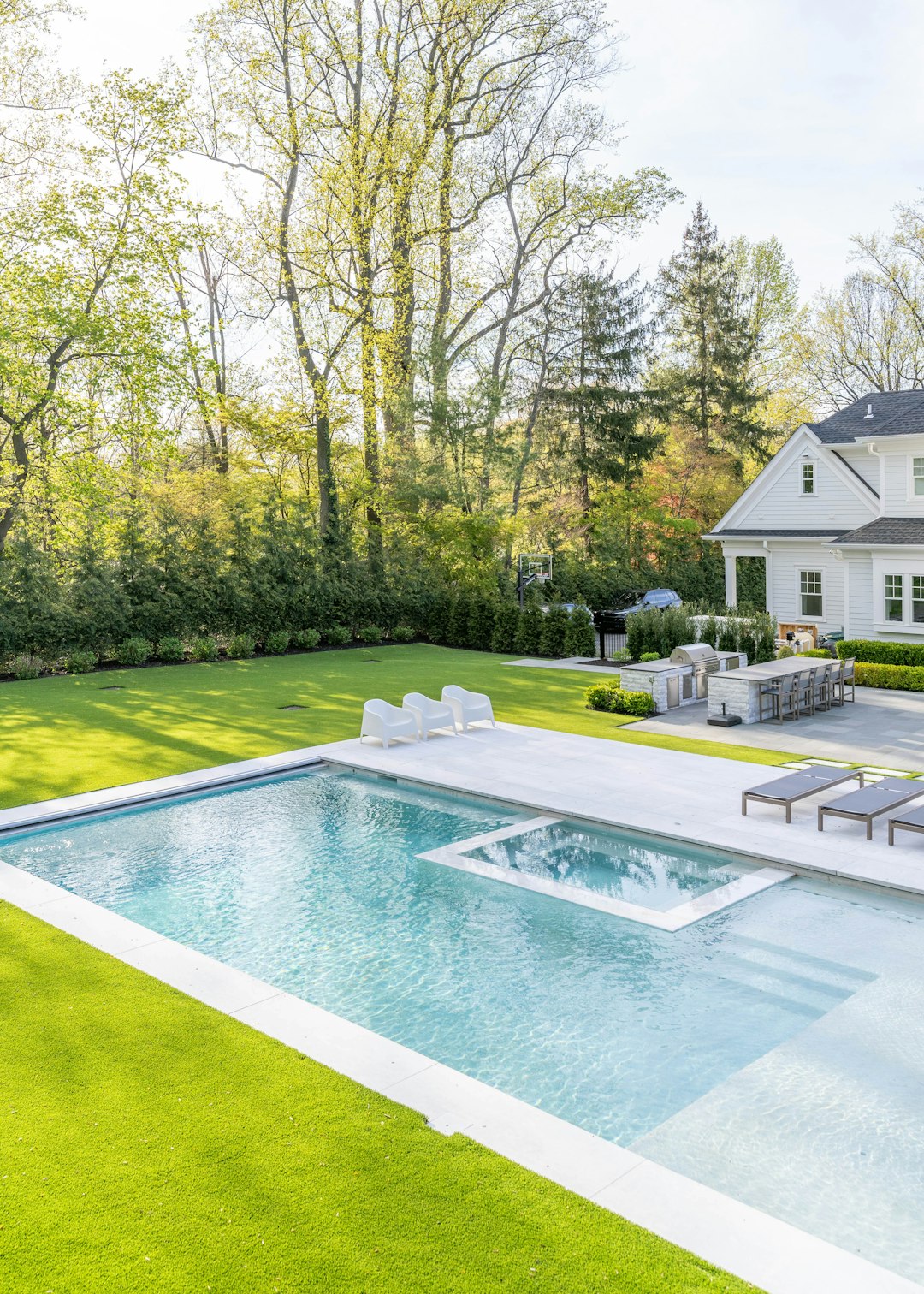
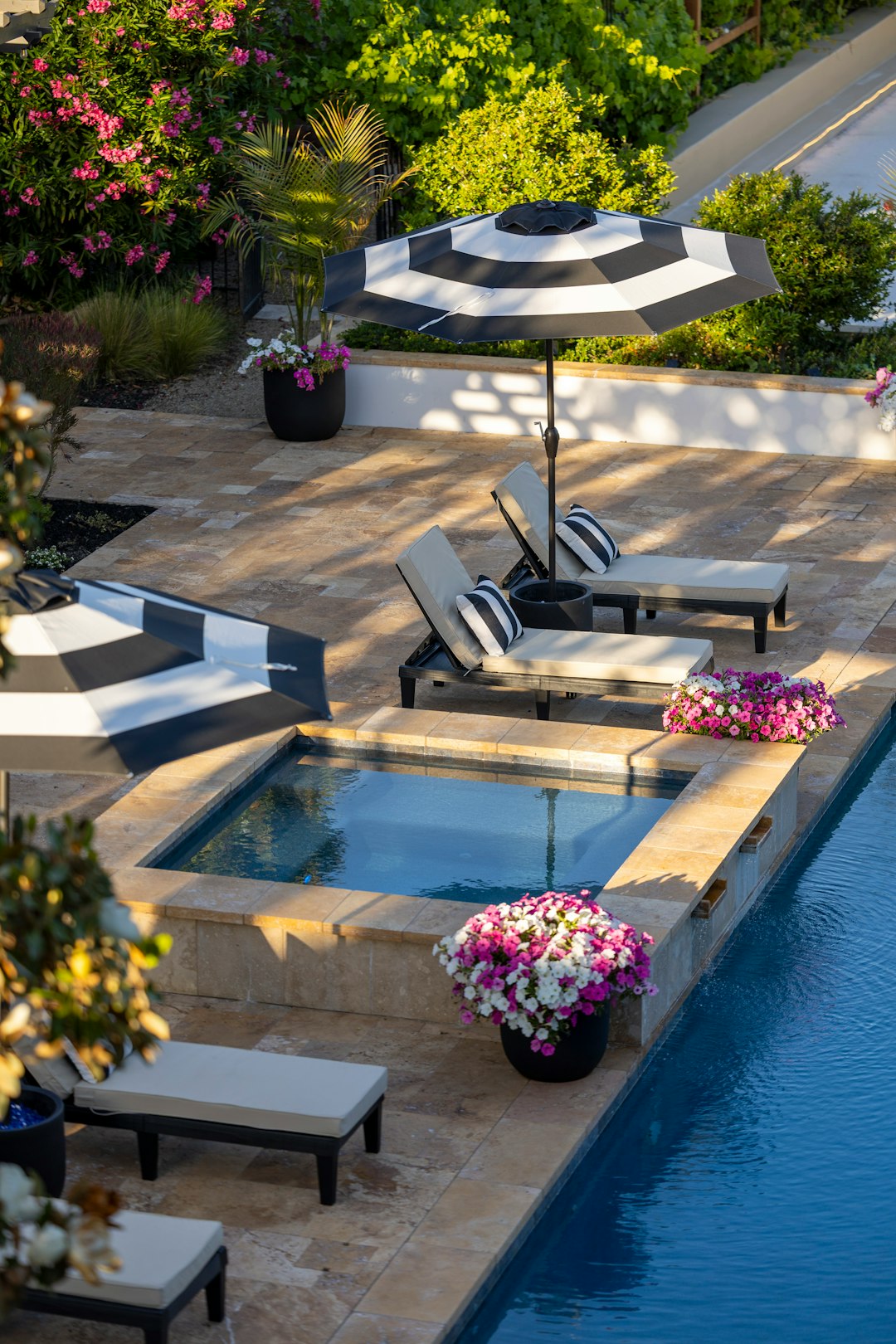
Pool costs are shaped first by the work required to build or update the space. A simple layout with standard materials is usually more straightforward than a custom design with curves, elevation changes, integrated spas, tanning ledges, water features, or detailed decking. The more moving parts in the plan, the more coordination, labor, and equipment the project typically requires.
Site conditions also matter. A yard with limited access, steep grading, drainage concerns, retaining walls, or challenging soil can increase preparation work before construction begins. Utility locations, setback requirements, and the distance between the build area and staging space can also affect how efficiently a crew can work. In renovation projects, the scope makes a major difference. Cosmetic resurfacing is one thing, but structural repairs, plumbing updates, tile replacement, coping work, or full equipment changes can expand the project significantly.
Material choices influence both the upfront budget and how the pool performs over time. Interior finishes, decking surfaces, tile, coping, and automation systems each come with tradeoffs in appearance, durability, upkeep, and replacement cycles. It helps to compare options based on expected wear, cleaning needs, and compatibility with your pool’s use.
Long-term ownership costs deserve just as much attention. Routine maintenance includes water testing, balancing, cleaning, and seasonal service. Equipment such as pumps, heaters, filters, salt systems, lights, and automation controls will eventually need repair or replacement. Energy use can vary based on pump size, heater type, run times, and whether the pool includes added features like spas or waterfalls. A practical plan looks beyond installation and considers how the pool will be maintained, operated, and updated over the years.
One of the biggest mistakes homeowners make is choosing a contractor based only on the lowest bid. A cheaper proposal may leave out excavation details, decking, drainage work, permits, cleanup, or start-up service. When estimates are not built around the same scope, the price comparison is misleading. Ask each contractor to spell out exactly what is included, what is excluded, and which allowances may change later.
Compare estimates for the same scope of work:
Another common problem is not reviewing past work closely enough. Photos help, but they do not tell you how a project held up over time or whether the builder handled layout, grading, and finishing well. It is smart to ask about similar projects, especially if your yard has slope, access limits, retaining needs, or other site challenges. Those factors can affect both design and construction.
Homeowners also overlook long-term maintenance when making design decisions. Features such as attached spas, water features, complex tile work, and certain finishes can add upkeep, operating cost, or repair needs. Before approving a design, ask how the equipment works, what regular service looks like, and which materials need more attention in Georgia’s climate.
Communication issues cause more stress than many people expect. If you do not know who your main contact is, how schedule updates will be shared, or how quickly questions are answered, confusion builds fast. The contract should clearly cover payment stages, timeline expectations, warranty terms, change-order procedures, and what happens if site conditions require extra work. Verbal promises are easy to misunderstand, so get important details in writing before construction starts.
When comparing pool companies, look beyond the total price and read each proposal carefully. Review what is actually included in the scope of work, such as excavation, plumbing, electrical, decking, drainage, permits, cleanup, and start-up. A lower estimate may leave out important items that appear later as change orders. It also helps to compare proposed materials, equipment brands, warranty terms, and the expected construction timeline.
What to compare in each proposal:
Design approach matters just as much as cost. Some companies mainly build from standard layouts, while others spend more time tailoring the pool to the yard, grade, sun exposure, access points, and how you plan to use the space. Ask how they handle site challenges and whether they provide drawings or renderings that make the plan easier to evaluate. Responsiveness is another strong indicator. If communication is slow or unclear before a contract is signed, it often becomes even more frustrating once construction begins.
Before work starts, prepare both your property and your decisions. Gather photos of pools, decking, water features, lighting, and landscaping you like, then narrow them down to the elements you actually want. Decide which priorities are nonnegotiable, such as pool size, shallow play space, spa integration, safety features, or low-maintenance equipment. This can help prevent design changes that delay the project.
You should also ask practical questions early. Find out who your main point of contact will be, how scheduling updates are shared, what access the crew needs, and whether fences, trees, irrigation, or drainage may need adjustments. Clear answers at this stage make it easier to choose a company that fits your project and helps the work move forward with fewer surprises.